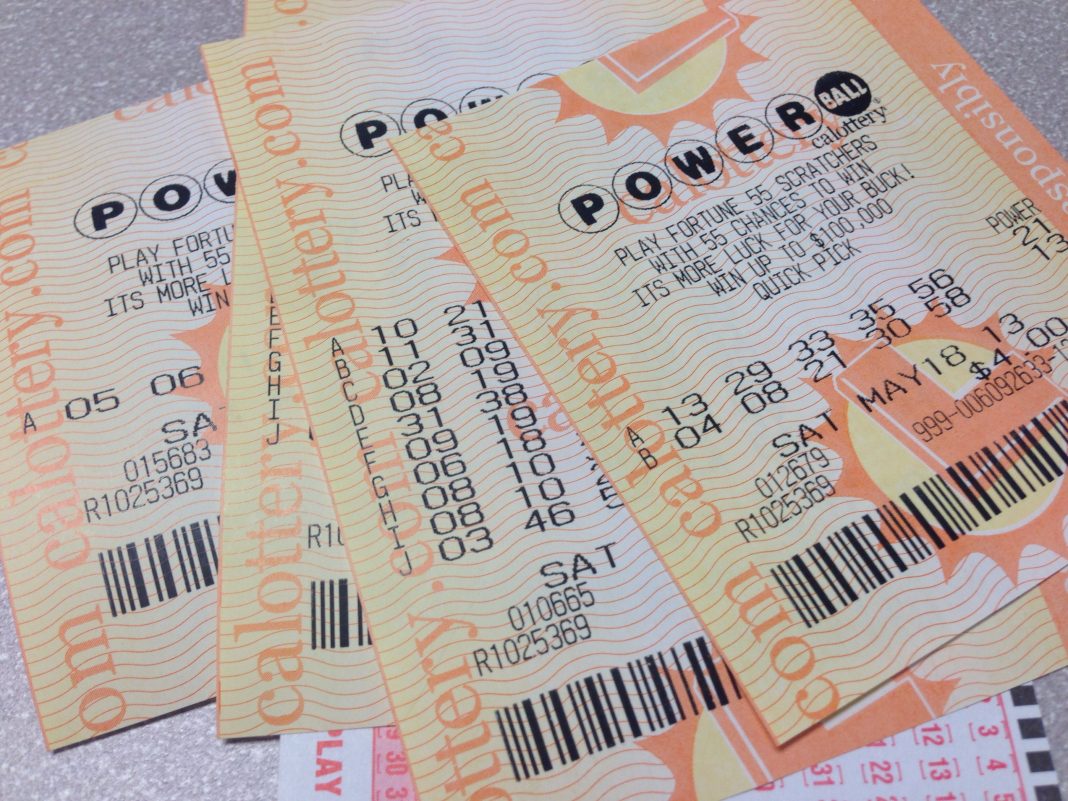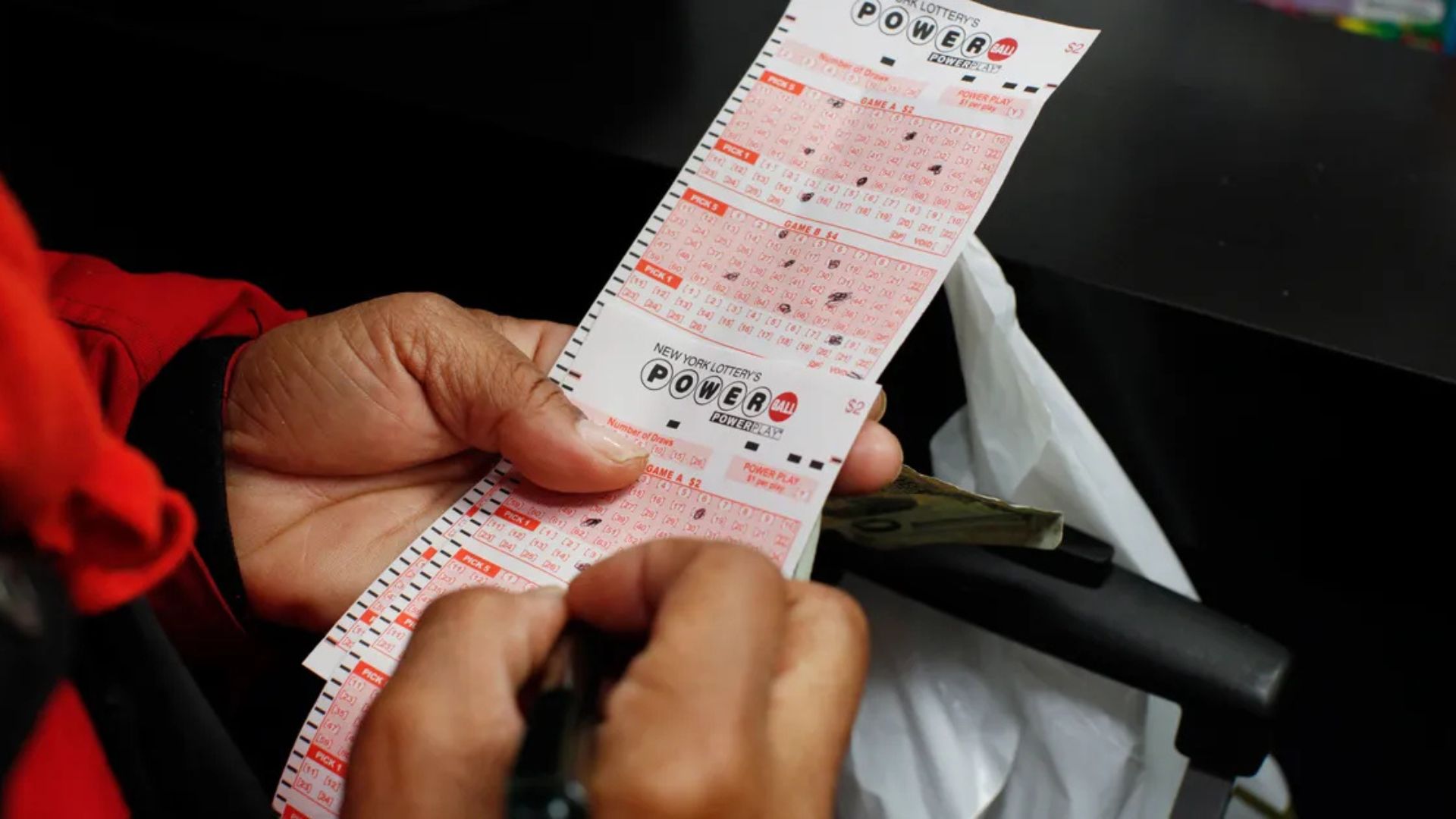





Choosing lottery numbers might seem random, but many people follow specific patterns or beliefs when they play. Whether it’s using birthdays, favorite numbers, or quick picks, there’s real psychology behind how we select those magic digits. Understanding these choices can help you see why you play the way you do — and maybe even improve your odds. Let’s explore what drives our number-picking habits and how psychology plays a key role in lottery behavior.

The Appeal of Personal Numbers
Many players choose numbers that mean something to them — birthdays, anniversaries, or lucky numbers. This is called personal relevance bias. We naturally assign value to numbers that are tied to our identity or experiences.
For example:
-
Birthdays limit choices to numbers between 1 and 31.
-
Favorite jersey numbers from sports.
-
Lucky numbers from childhood or cultural traditions.
Why it happens: Personal numbers feel emotionally “safe” and familiar. They give a sense of control in an uncontrollable game.
The Illusion of Control
People often think that choosing their own numbers gives them better odds. In reality, every number combination has the same chance. But the illusion of control makes us believe that by picking our own numbers, we can influence the outcome.
Fun fact: Studies show that people are more confident in their chosen numbers than computer-generated quick picks — even though both are equally random.
Avoiding Common Patterns
Some players avoid obvious sequences like 1-2-3-4-5-6 because they believe “no one would win with those.” Others avoid repeating past winning numbers, even though the odds remain the same every draw.
This is known as the gambler’s fallacy — the belief that past outcomes affect future ones in random events.
Example: If the number 7 has come up often recently, players may avoid it thinking it’s “due for a break.” But in reality, every draw is independent.
Quick Pick vs. Manual Selection
Quick Picks (random selections by a machine) account for a large portion of lottery wins. Yet many people still prefer to pick numbers themselves, believing their choices bring luck.
Quick Pick:
-
Faster and easier.
-
Truly random.
-
No emotional connection.
Manual Pick:
-
Personalized and emotional.
-
Offers a feeling of involvement.
-
May follow superstitions or patterns.
Psychological insight: People want to feel like their choices matter, even in games of pure chance.
Cultural and Superstitious Influences
Culture plays a huge role in number selection. For example:
-
In China, 8 is considered very lucky (sounds like “wealth”).
-
In some Western cultures, 13 is seen as unlucky and avoided.
-
People may use astrology, numerology, or lucky charms to choose numbers.
Why it matters: Superstitions provide comfort and hope, especially in games based on chance.
Copycat Syndrome
Some players copy numbers from famous past wins or play the same set as friends or family. This behavior is called social proof — we tend to follow others, especially when we’re unsure of what to do ourselves.
Tip: This could lead to shared jackpots if others win with the same numbers.
Final Thoughts
The way we pick lottery numbers says a lot about how we think and feel. Whether we rely on luck, memory, or emotion, most of our choices are based on psychology — not math.
While choosing the “right” numbers doesn’t increase your odds of winning, understanding the reasons behind your picks can make the game more meaningful — and a bit more fun.
So next time you buy a ticket, think about your number choices. Are they guided by logic, emotion, or just pure chance?