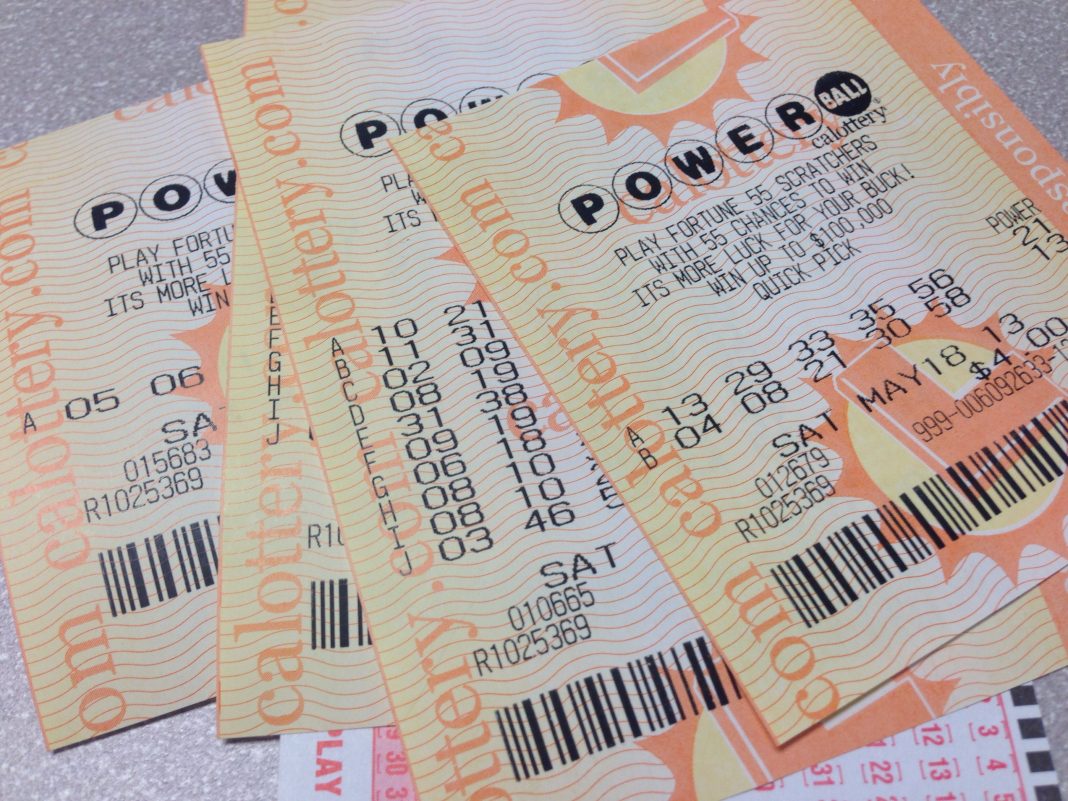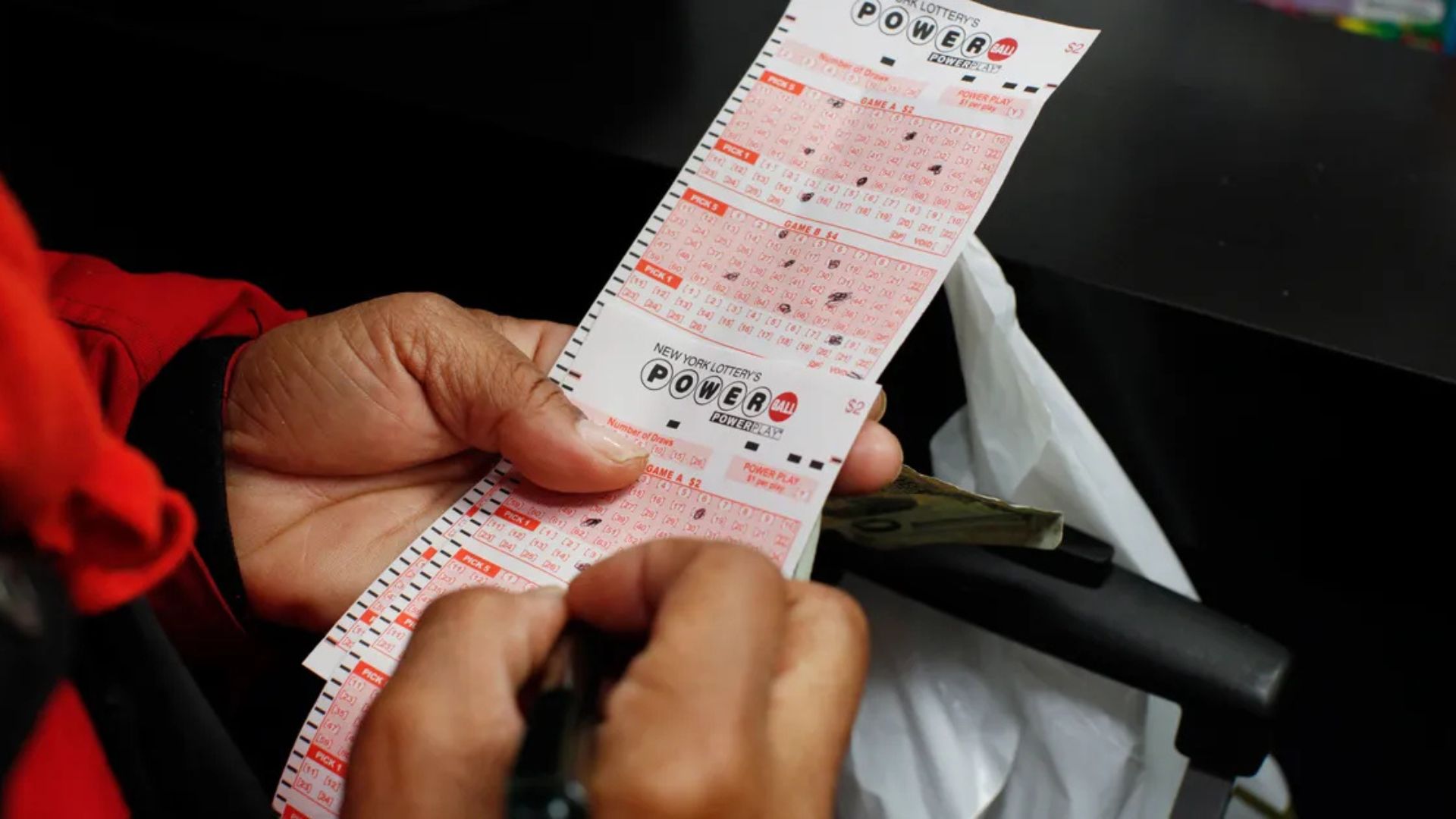




Buying a lottery ticket may seem like a simple act of chance, but behind it lies a fascinating mix of emotions, hopes, and psychological triggers. People from all walks of life play the lottery, not just for the potential prize, but for the excitement and imagination it inspires. Understanding why we buy lottery tickets can reveal much about human behavior, optimism, and decision-making.
The Power of Hope and Possibility
One of the strongest motivations for buying a lottery ticket is hope. Even if the odds are small, people love the feeling that winning is possible. The chance to imagine a better future—even for a brief moment—creates happiness and anticipation.
When you buy a ticket, you’re not just purchasing a piece of paper. You’re buying a dream. The idea of financial freedom, helping family, or living a luxurious life triggers powerful emotions that keep people coming back.
The “It Could Be Me” Effect
Psychologists call it the optimism bias. This is the belief that good things are more likely to happen to us than to others. Even though the chances of winning are slim, players convince themselves that their luck might be different.
This mindset keeps the lottery exciting. Each draw feels like a fresh start—a new opportunity to beat the odds. The idea that “someone has to win” fuels the thought, “Why not me?”
The Thrill of Anticipation
The period between buying the ticket and the actual draw creates excitement. It’s not just the result that brings joy, but the anticipation itself. During this waiting period, players daydream about what they would do with the money—buy a house, travel, or help others.
This sense of anticipation releases dopamine, a chemical linked to pleasure and motivation. In a way, the excitement of imagining success is as rewarding as winning itself.
Escaping Reality for a Moment
Life can be stressful, and buying a lottery ticket offers a quick mental escape. For the price of a few dollars, people can momentarily escape their everyday worries.
When players picture their dream lives, they enter a hopeful space where anything seems possible. This brief escape helps relieve tension and adds a sense of fun and fantasy to daily routines.
Social Influence and Group Behavior
Lottery excitement often spreads through social interaction. When friends, co-workers, or family members play together, it becomes a shared experience. Group lotteries or syndicates not only improve odds but also make playing feel more meaningful.
This social aspect strengthens the habit. People enjoy being part of a collective dream, discussing numbers, and sharing the anticipation before each draw. The group connection becomes just as rewarding as the potential prize.
The Illusion of Control
Many players believe that choosing certain numbers—like birthdays, lucky digits, or patterns—can improve their chances. This belief gives a false sense of control over a random event.
In psychology, this is known as the illusion of control. It makes the lottery feel like a game of skill rather than pure chance. Even though logic says otherwise, the feeling of influence makes the experience more engaging and personal.
The Role of Near Misses
A near miss occurs when players get some, but not all, of the winning numbers. Instead of feeling defeated, many players feel motivated to try again.
This reaction is linked to how the brain processes reward and motivation. Near misses create the illusion that success is close, keeping players hopeful and excited. It’s similar to how gamblers feel encouraged by small wins or almost-wins in other games of chance.
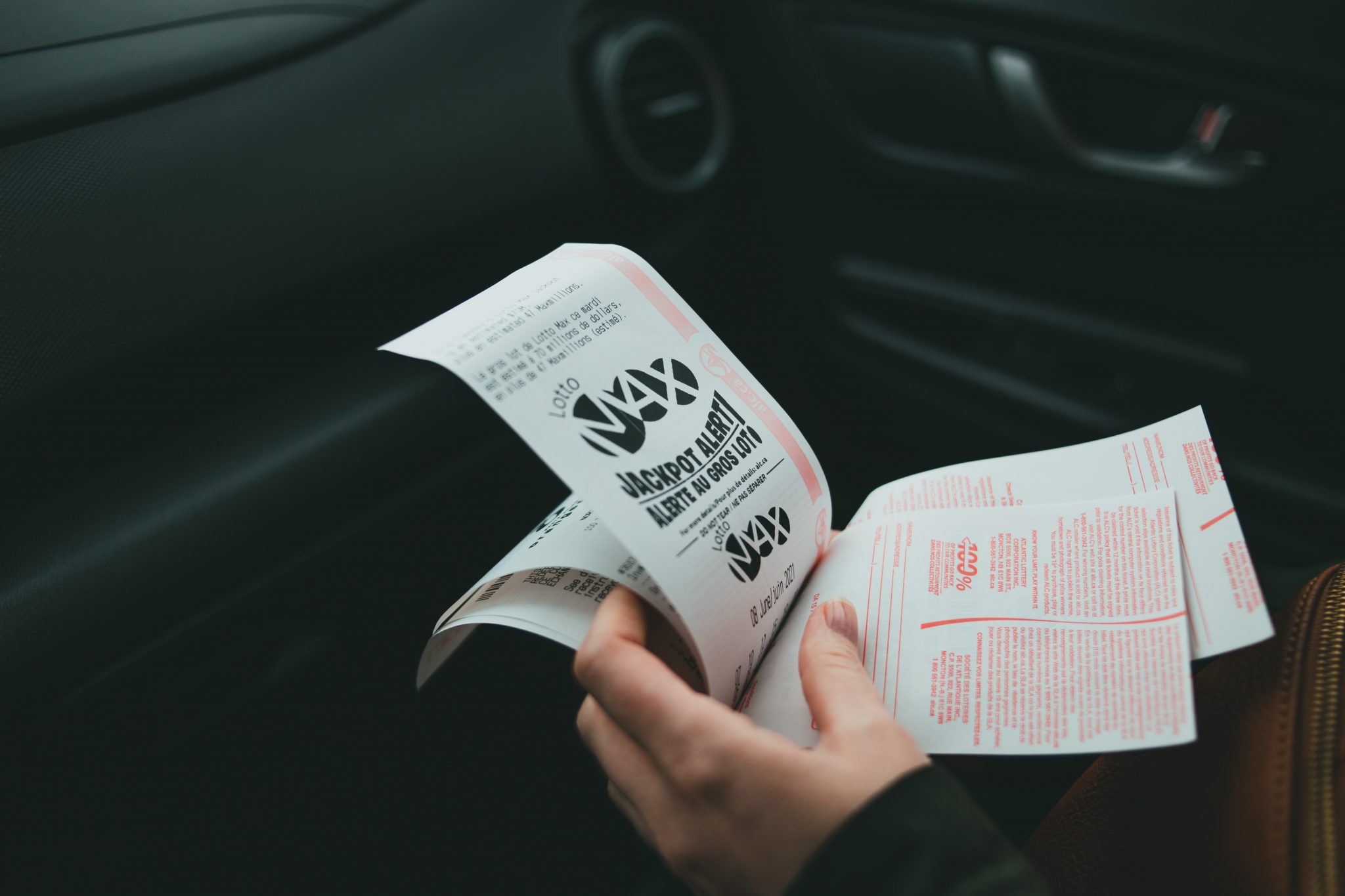
The Dream of Changing One’s Life
At its core, the lottery represents transformation. People buy tickets because they dream of rewriting their story. The thought of paying off debt, securing the future, or achieving freedom drives continuous participation.
Even though most never win big, the dream itself offers emotional comfort. It gives people something to look forward to and a feeling of empowerment, even in uncertain times.
Conclusion
The psychology behind buying lottery tickets goes far beyond money. It’s about hope, imagination, and emotional reward. Each ticket offers the thrill of possibility and the comfort of dreaming.
From the optimism bias to the illusion of control, every element of the lottery taps into basic human desires—to hope, to believe, and to imagine a better tomorrow. Understanding these psychological forces helps explain why millions continue to play, not just for fortune, but for the joy of possibility.