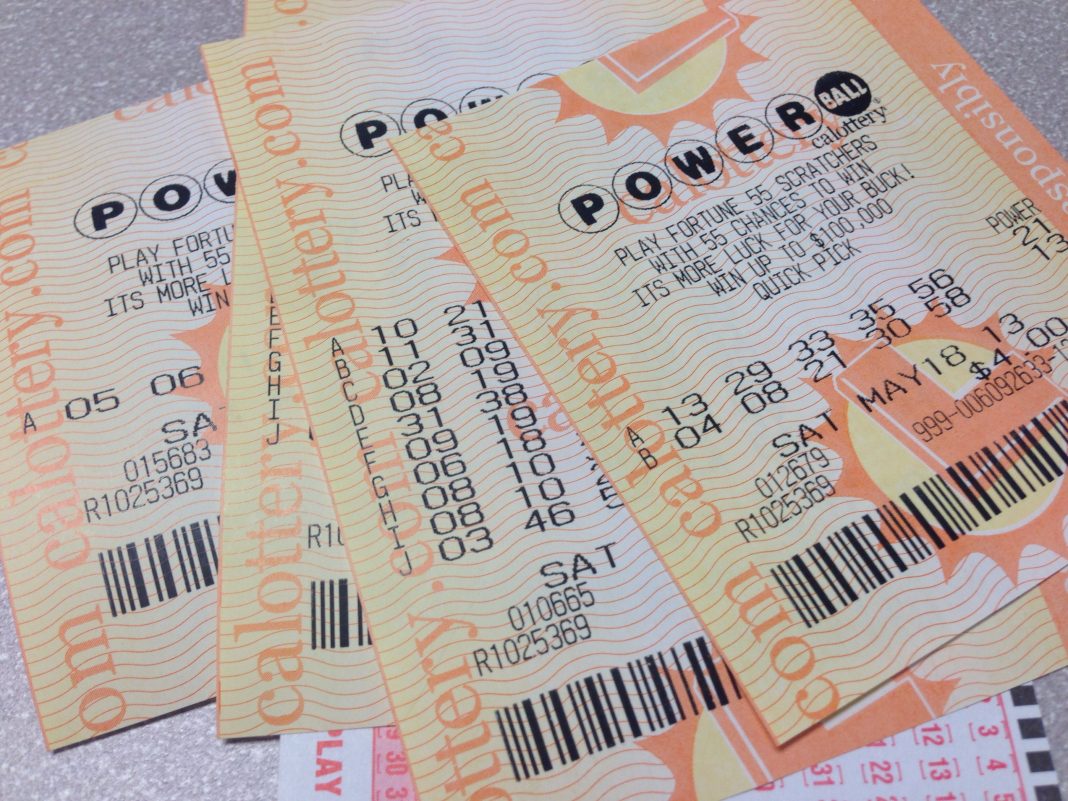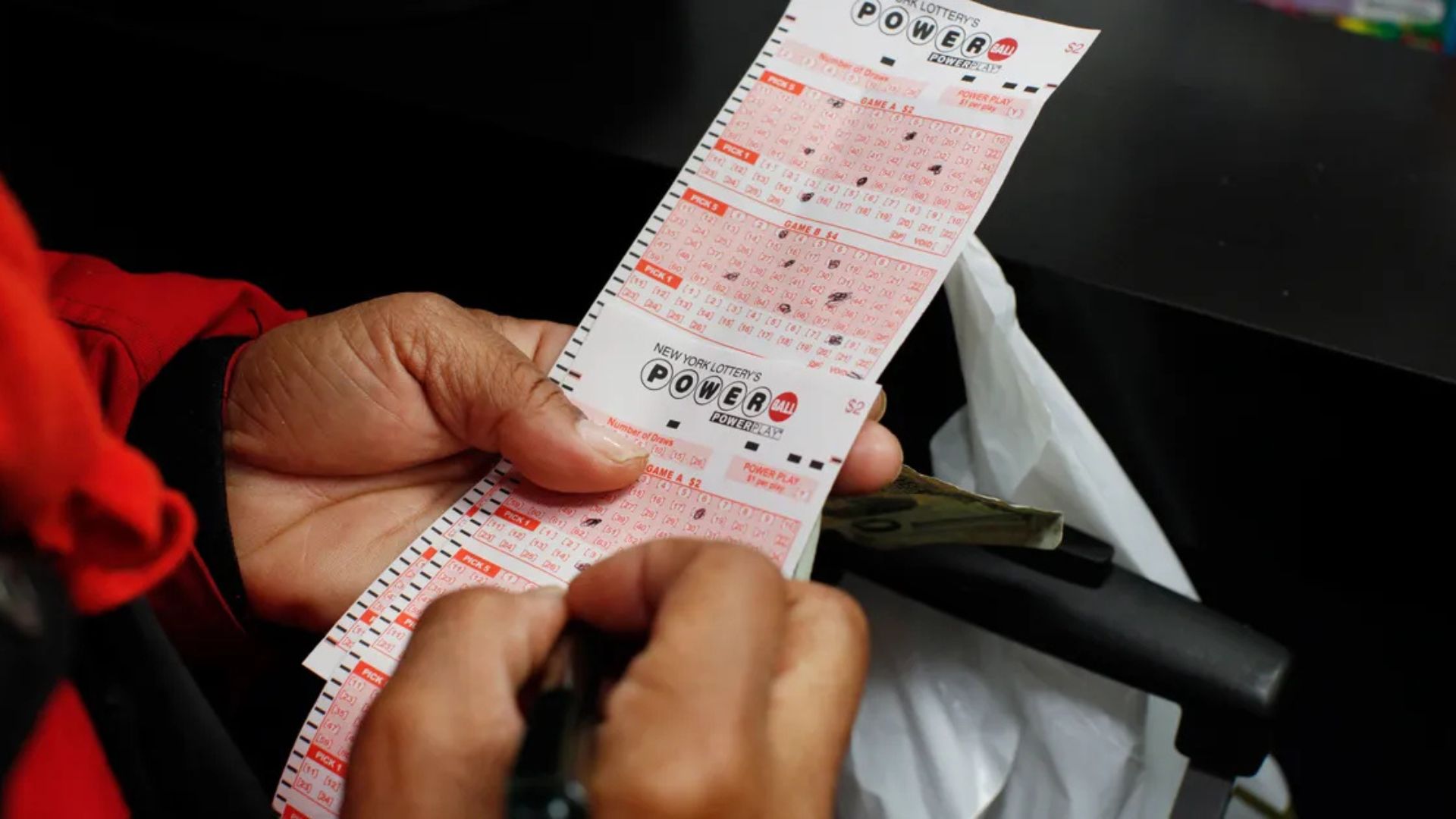





Lottery ticket scams are unfortunately common, preying on the hopes and dreams of unsuspecting players. Scammers use clever tactics to make their schemes appear legitimate, often targeting people through emails, phone calls, or social media messages. Understanding how these scams work and learning how to avoid them is essential for anyone who plays the lottery.
Common Lottery Ticket Scams
There are several types of lottery scams, each with its own strategy.
1. Fake Winning Notifications: Scammers contact victims claiming they’ve won a lottery prize. They may ask for personal information, bank details, or advance fees to “claim” the winnings.
2. Phishing Emails and Messages: Fraudsters send emails or text messages with links that appear official. Clicking these links can steal login credentials or install malware on your device.
3. Advance Fee Scams: Some scams require you to pay taxes, processing fees, or shipping costs before receiving a prize. Legitimate lotteries never ask winners to pay upfront.
4. Impersonation of Lottery Officials: Scammers may pretend to be employees of a state or national lottery. They create fake websites, use official logos, or even call with convincing scripts.
Each scam is designed to create urgency and fear, pressuring the victim into acting quickly without verifying the information.
How Scammers Target Victims
Lottery scams often exploit human psychology. Scammers know that the excitement of winning can cloud judgment. They target:
-
Older adults, who may be less familiar with online security
-
Casual lottery players, who are eager for big wins
-
Social media users, through fake ads or posts
By appealing to hope, fear, and urgency, scammers trick people into sharing sensitive information or sending money.
Red Flags to Watch For
Being aware of warning signs can protect you from falling victim to lottery scams. Look out for:
-
Unexpected notifications claiming you won a lottery you never entered
-
Requests for personal information, bank details, or fees
-
Pressure to act immediately or keep the “win” secret
-
Poor grammar, spelling errors, or unofficial email addresses
-
Suspicious links that redirect to unverified websites
If any of these signs appear, it’s best to stop communication and verify the information independently.
How to Protect Yourself
Here are practical steps to avoid lottery scams:
1. Verify the Source: Always check official lottery websites or contact customer service before responding to any notification.
2. Never Pay Upfront: Legitimate lotteries never ask winners to pay taxes or fees in advance.
3. Protect Personal Information: Avoid sharing bank accounts, Social Security numbers, or other sensitive data with anyone claiming you’ve won.
4. Be Skeptical of Unsolicited Messages: Ignore unexpected emails, texts, or calls claiming you’ve won a prize.
5. Educate Yourself: Learn about common scams and share knowledge with friends and family. Awareness is the first line of defense.
What to Do if You Encounter a Scam
If you suspect a lottery scam, report it immediately. You can contact:
-
Your local law enforcement
-
The Federal Trade Commission (FTC) in the U.S. or equivalent agencies in other countries
-
The official lottery organization
Reporting scams helps prevent others from falling victim and may assist authorities in taking legal action against scammers.

Why Awareness Matters
Lottery scams exploit trust and excitement. By staying informed and cautious, you protect not only yourself but also those around you. Knowledge of common tactics, red flags, and safe practices ensures your lottery experience remains enjoyable and secure.
Conclusion
Lottery ticket scams are designed to take advantage of hope and excitement. Understanding how these scams work and knowing how to protect yourself is essential for any player. Always verify sources, avoid paying upfront, protect personal information, and report suspicious activity.
By staying vigilant and informed, you can enjoy playing the lottery safely while keeping your money and personal details secure.