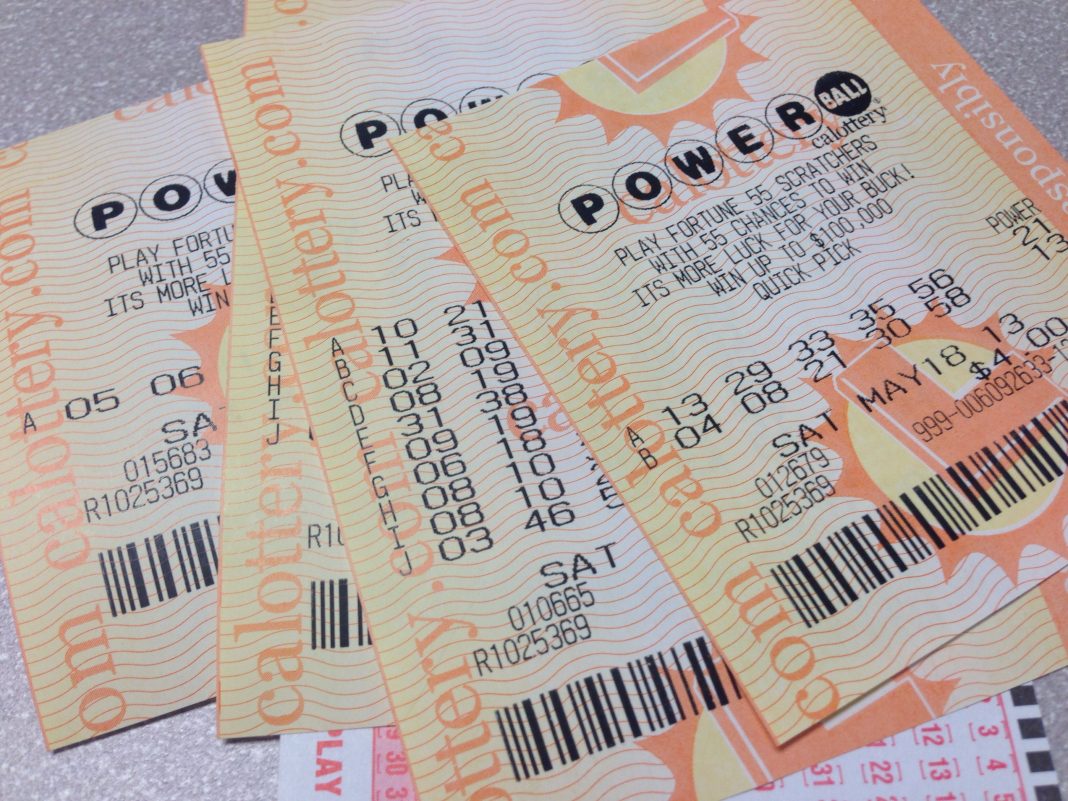





Lottery tickets have a long and fascinating history, stretching across centuries and continents. They have evolved from simple raffles to the multi-billion-dollar industry we know today. Exploring the history of lottery tickets reveals not only their cultural significance but also how they shaped societies and economies worldwide.
Origins of the Lottery
The concept of the lottery dates back thousands of years. Ancient civilizations used lotteries to distribute property, settle disputes, and fund public projects. In China, as early as 205 BC, the Han Dynasty is believed to have used lottery-style games to raise funds for government projects, including the construction of the Great Wall.
Similarly, in ancient Rome, emperors held lotteries as entertainment for the public. Citizens received tickets and prizes ranged from land and slaves to valuable items. These early lotteries combined amusement with practical purposes, often funding civic works or community events.
Lottery Tickets in Europe
The modern lottery system began to take shape in Europe during the Renaissance. In the 15th century, cities in Italy and the Low Countries (now Belgium and the Netherlands) started holding public lotteries to raise money for infrastructure, churches, and charitable causes.
By the 16th and 17th centuries, lotteries had spread across Europe. England established state lotteries in the 16th century to fund public projects, including roads and bridges. Tickets were sold to the public, and winners received cash or valuable goods. This system set the stage for the lotteries we recognize today.
The Birth of American Lotteries
Lottery tickets arrived in America with European settlers. The first recorded lottery in the United States took place in Jamestown, Virginia, in 1612, raising funds to support the colony.
During the 18th century, lotteries became a popular way to finance schools, churches, and public buildings. For instance, Harvard and Yale universities were partly funded by lotteries. Despite some controversy over fairness and morality, lotteries became a socially accepted fundraising tool.
19th and 20th Century Developments
By the 19th century, many American states banned lotteries due to corruption and fraudulent practices. However, the idea persisted, and by the mid-20th century, states began legalizing and regulating lotteries again.
During the 20th century, the concept of the lottery expanded globally. National lotteries were established in Europe, Asia, and the Americas, often using proceeds to support education, health, and social welfare programs.
Modern Lottery Tickets
Today, lottery tickets exist in many forms, including draw-based games, scratch-offs, online tickets, and multi-state jackpots. Technological advances have made it easier to buy and track tickets digitally, while global lotteries offer enormous prizes that capture public attention.
Despite these changes, the core appeal of lottery tickets remains the same: the excitement of chance, the hope of winning, and the possibility of transforming one’s life.
Cultural Impact of Lottery Tickets
Lotteries have influenced culture, art, and literature. In many societies, lottery tickets symbolize luck, opportunity, and dreams of a better life. In addition, they have helped fund public projects, education, and charitable organizations, making them more than just a game.
By connecting communities, lotteries have also fostered social interaction. People often share tickets, discuss strategies, and celebrate small wins together, creating bonds and shared experiences.

Lessons From Lottery History
The history of lottery tickets teaches us that human fascination with chance and luck is universal. From ancient China to modern America, people have been drawn to the possibility of winning.
It also shows the importance of regulation. Without oversight, lotteries can be exploited, leading to fraud and public distrust. Today’s regulated lotteries aim to balance entertainment with fairness and social benefit.
Conclusion
Lottery tickets have traveled a long journey from ancient civilizations to the digital age. They reflect human hope, ambition, and ingenuity. Understanding their history allows players to appreciate not only the excitement of playing but also the cultural and social significance behind every ticket.
Whether used for fundraising, entertainment, or dreams of wealth, lottery tickets remain a unique window into human behavior and society.