



Lotteries are games of chance, and probability is at the heart of how they work. Understanding probability helps players make informed decisions, set realistic expectations, and enjoy the lottery responsibly. While no strategy can guarantee a jackpot, knowing how probability influences outcomes can make the experience more engaging.
The Basics of Probability in Lotteries
Probability is the mathematical measure of how likely an event is to occur. In lottery games, it refers to the chances of a ticket matching the winning numbers.
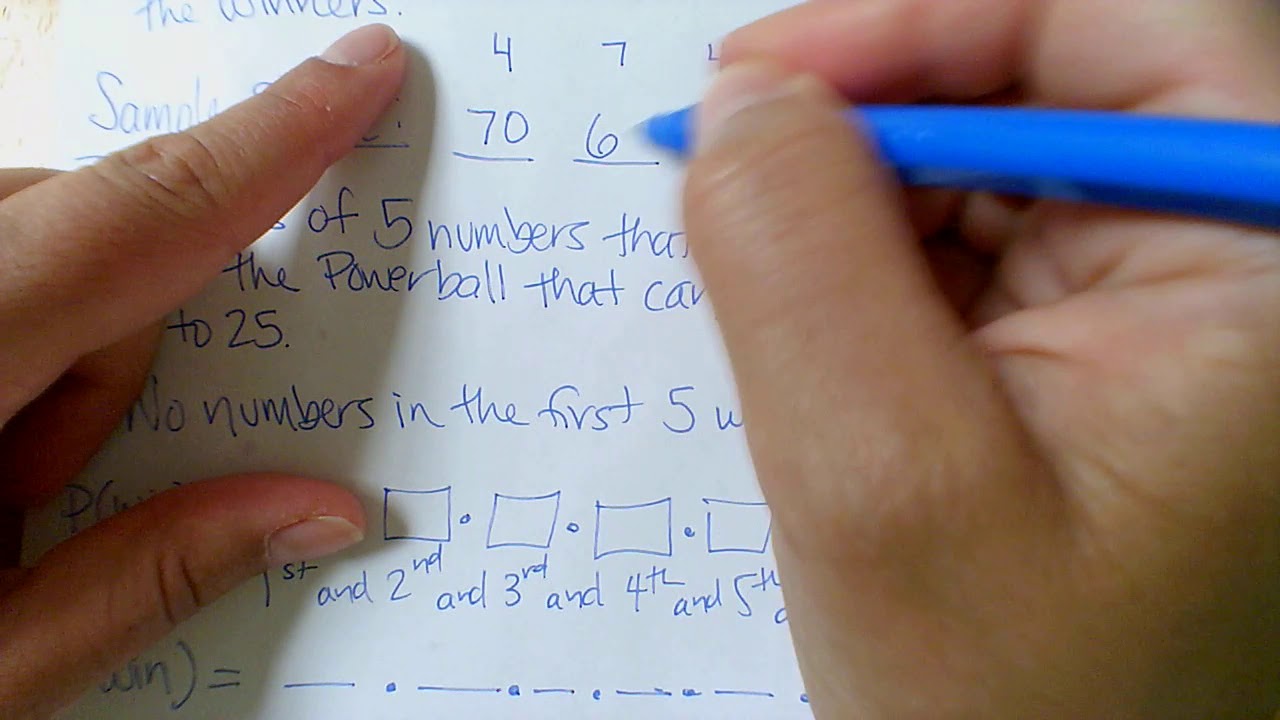
For example, in a standard 6/49 lottery, where players choose six numbers from a pool of 49, the odds of winning the jackpot are approximately 1 in 13.98 million. These odds show just how rare it is to win the top prize, even if you play regularly.
How Number Combinations Affect Chances
Every possible combination of numbers has an equal chance of being drawn. This means that no number or sequence is inherently luckier than another.
Players often choose birthdays, anniversaries, or “lucky numbers,” but probability remains unaffected. Choosing random numbers or balanced combinations across the number pool is as likely to win as using personal numbers.
The Role of Odds in Smaller Prizes
Lotteries offer multiple prize tiers beyond the jackpot. Probability determines the likelihood of winning these smaller prizes.
For instance, matching three numbers in a 6/49 lottery has far better odds than hitting all six numbers. Understanding these odds helps players enjoy the game, even without winning the jackpot, and allows for smarter allocation of ticket purchases.
Impact of Ticket Quantity
Buying multiple tickets increases your probability of winning slightly, but it does not guarantee a prize.
For example, if one ticket has a 1 in 13.98 million chance of winning the jackpot, buying ten tickets changes the odds to roughly 10 in 13.98 million. While this improves chances numerically, the probability of winning remains extremely low.
Misconceptions About “Due” Numbers
Some players believe that numbers that haven’t appeared recently are “due” to win. This is a common misconception known as the gambler’s fallacy.
Lottery draws are independent events. The probability of a number being drawn in the next game is the same, regardless of past outcomes. Each draw is a fresh random event, unaffected by previous results.
Probability and Lottery Design
Lottery organizers use probability to design games. They balance the number of combinations, prize distribution, and jackpot growth to create excitement while maintaining fair odds.
Games with larger number pools have higher jackpots but lower odds of winning, whereas smaller games offer better chances with smaller prizes. Understanding this helps players select games that match their preferences and goals.
Using Probability to Make Decisions
While probability cannot predict a win, it can guide practical decisions:
-
Budgeting: Knowing the low odds encourages responsible spending.
-
Choosing games: Games with better odds may be more appealing for frequent play.
-
Syndicates: Pooling tickets can slightly improve chances of winning smaller prizes.
These applications allow players to approach lotteries strategically while maintaining realistic expectations.
Probability and Risk Management
Lottery players should treat tickets as entertainment rather than investment. Probability highlights the low likelihood of winning jackpots, reinforcing the importance of risk management.
By understanding probability, players can avoid overspending, chasing losses, or relying on lottery winnings for financial stability. This mindset makes lottery play safer and more enjoyable.
Conclusion
Probability is the key factor behind every lottery outcome. It defines the odds of winning, explains why certain numbers don’t appear more often, and shapes how lotteries are structured.
While no one can predict winning numbers, understanding probability helps players make informed decisions, enjoy smaller prizes, and maintain responsible play habits. By appreciating the role of chance, you can experience the thrill of the lottery while keeping expectations realistic and fun intact.