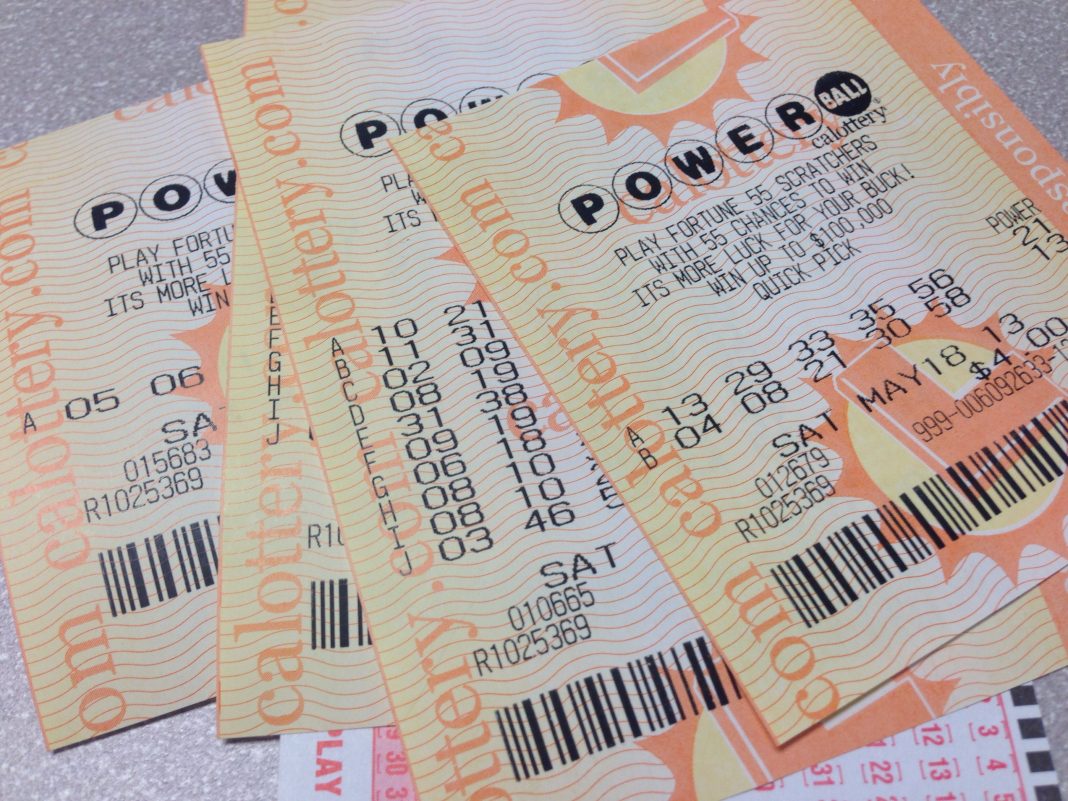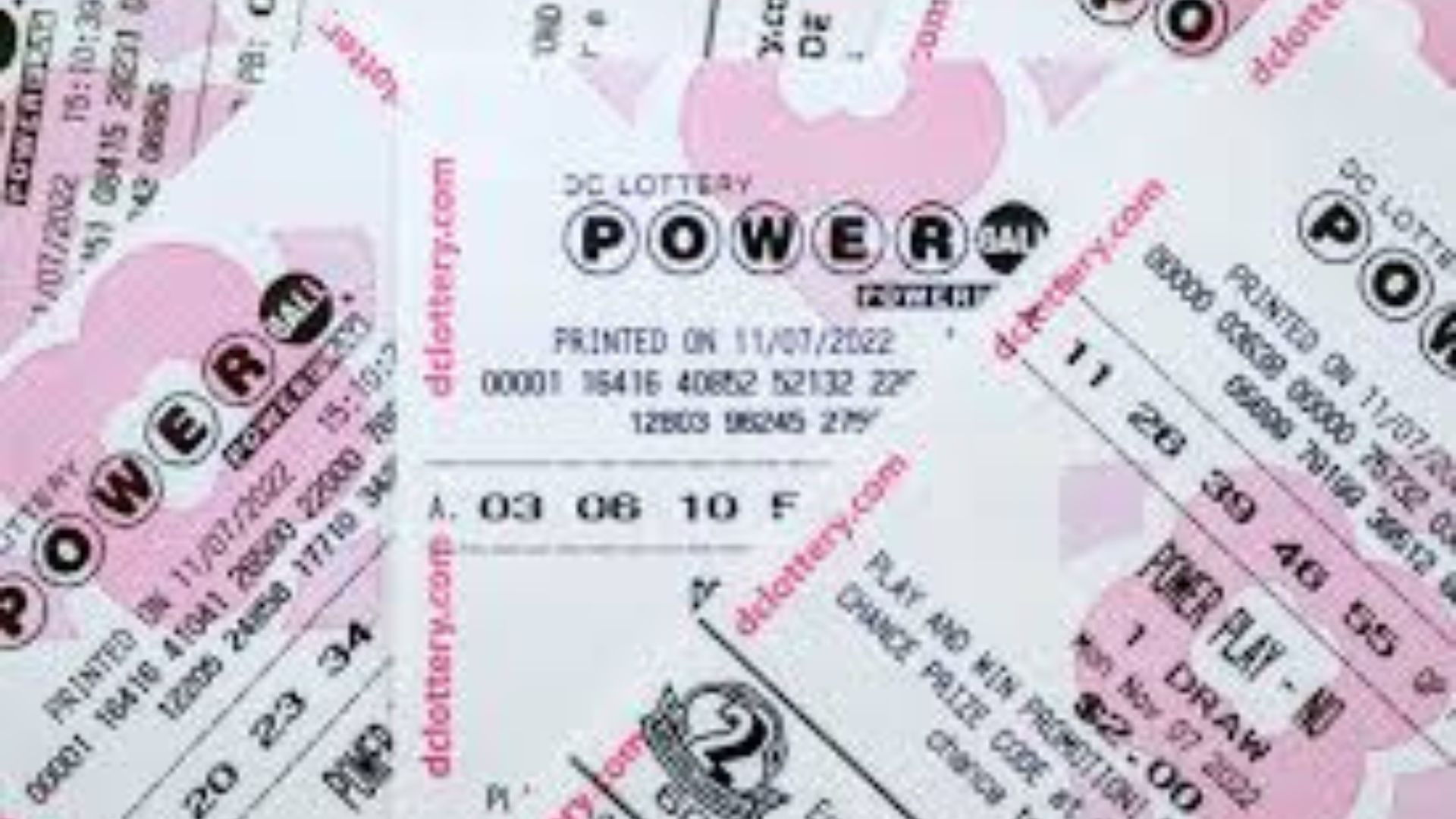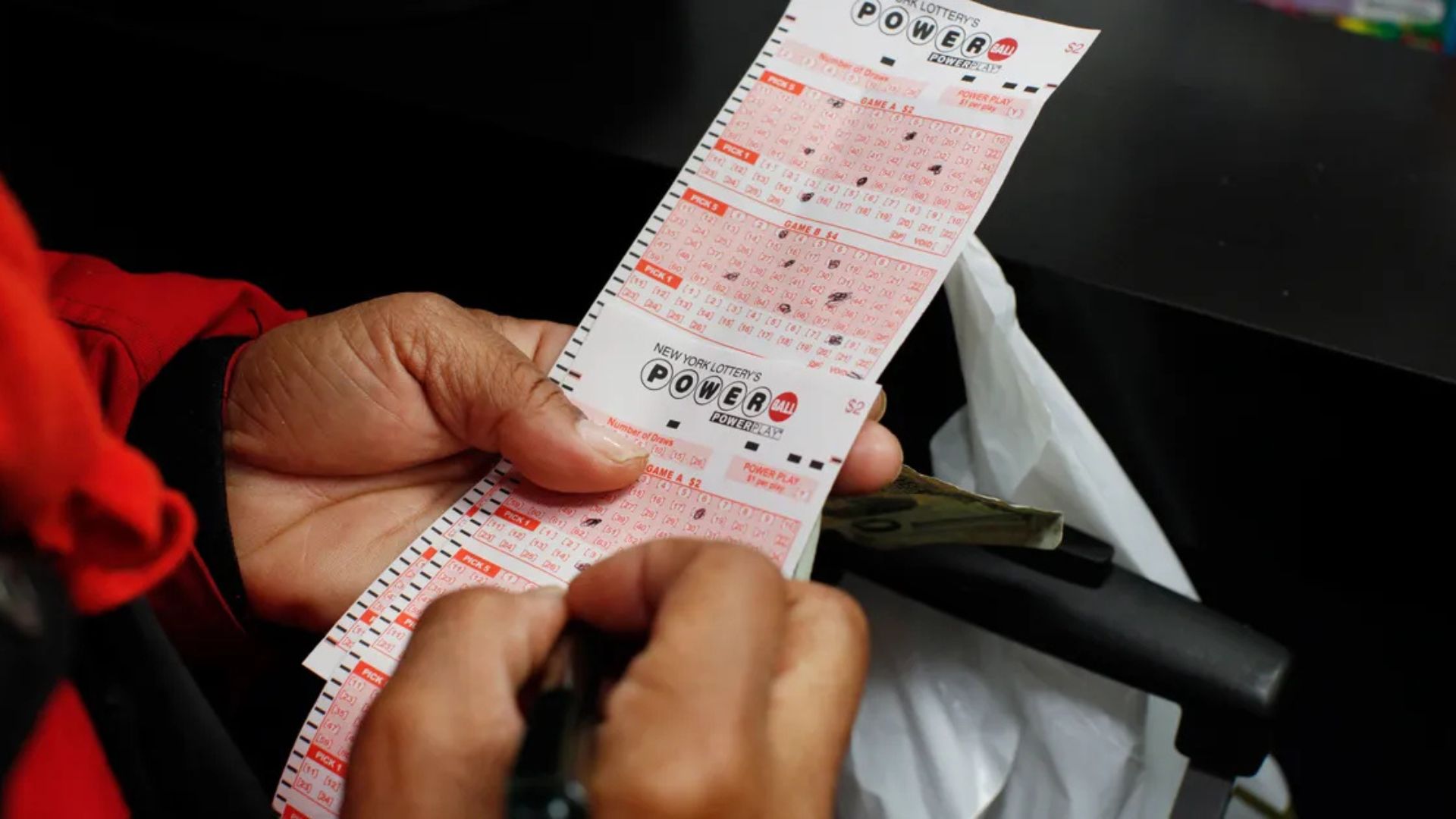





Buying a lottery ticket can be exciting. The chance to win big draws millions of people every day. However, most people focus only on the big prize and overlook the important details hidden in the fine print on their tickets. Understanding this small text can save you from losing your winnings or missing out on important rules.
What Is the Fine Print on Lottery Tickets?
The fine print refers to the small text usually found at the bottom or back of a lottery ticket. This text explains the rules, terms, and conditions of the lottery game. It covers everything from how to claim your prize to the deadlines and tax rules you must follow.
Even though the fine print looks small and boring, it contains crucial information. Ignoring it can lead to problems like expired tickets, disqualification, or unexpected fees.
Why Is It Important to Read the Fine Print?
Many people think lottery tickets are simple: buy, check numbers, win, and collect money. However, every lottery has its own rules. These rules are written in the fine print to protect the lottery organization and players alike.
By reading the fine print, you can:
-
Know how long you have to claim your prize.
-
Understand the steps to claim winnings.
-
Learn about tax obligations on your prize.
-
Avoid common mistakes that lead to losing your ticket’s value.
-
Find out whether your ticket can be transferred or sold.
Without this knowledge, you might lose your prize or face legal issues.
Common Terms Found in the Fine Print
The fine print includes many terms that might seem confusing at first. Here are some common ones you should know:
-
Claim Deadline: The date by which you must claim your winnings. If you miss this date, you lose your prize.
-
Validation: The process of confirming your ticket is real and eligible to win.
-
Tax Information: Details about federal or state taxes that apply to your winnings.
-
Non-Transferable: This means you cannot sell or give your winning ticket to someone else.
-
Game Rules: Specific rules for the lottery game you played, like how numbers are drawn and prize amounts.
Understanding these terms will help you navigate your lottery experience smoothly.
How to Check the Fine Print Effectively
To avoid confusion, always read the fine print before you buy a lottery ticket or right after. Here are some tips to check it properly:
-
Look Carefully: Don’t just glance at the small text. Use a magnifying glass if needed.
-
Ask Questions: If you don’t understand something, ask the lottery retailer or check the official lottery website.
-
Keep Your Ticket Safe: Store your ticket somewhere safe and dry to avoid damage that might make the fine print unreadable.
-
Check Deadlines: Mark your calendar with the prize claim deadline to ensure you don’t miss it.
By following these steps, you can avoid many common lottery mistakes.
What Happens if You Ignore the Fine Print?
Ignoring the fine print can have serious consequences. For example:
-
If you don’t claim your prize before the deadline, the lottery keeps the money.
-
If you don’t validate your ticket properly, your claim might be rejected.
-
You might be unaware of tax requirements and face penalties later.
-
Selling or transferring a non-transferable ticket can lead to legal trouble.
Many lottery winners have lost their money simply because they did not pay attention to these details.
Conclusion: Read the Fine Print to Win Smartly
Lottery tickets are more than just a chance to win money. They come with rules that protect both players and lottery organizations. Always read the fine print carefully to know your rights, deadlines, and responsibilities.
In the end, understanding the fine print helps you play smarter and enjoy your lottery experience without surprises. So next time you buy a ticket, take a moment to read those tiny words. They could make all the difference between winning and losing.