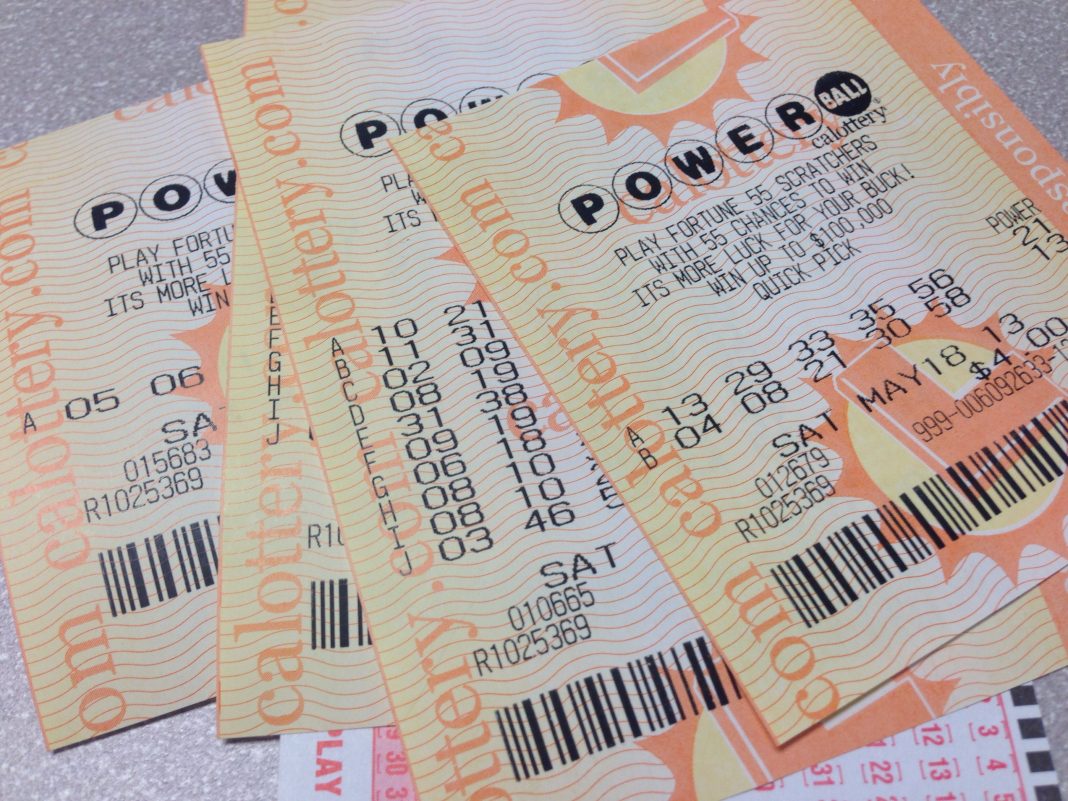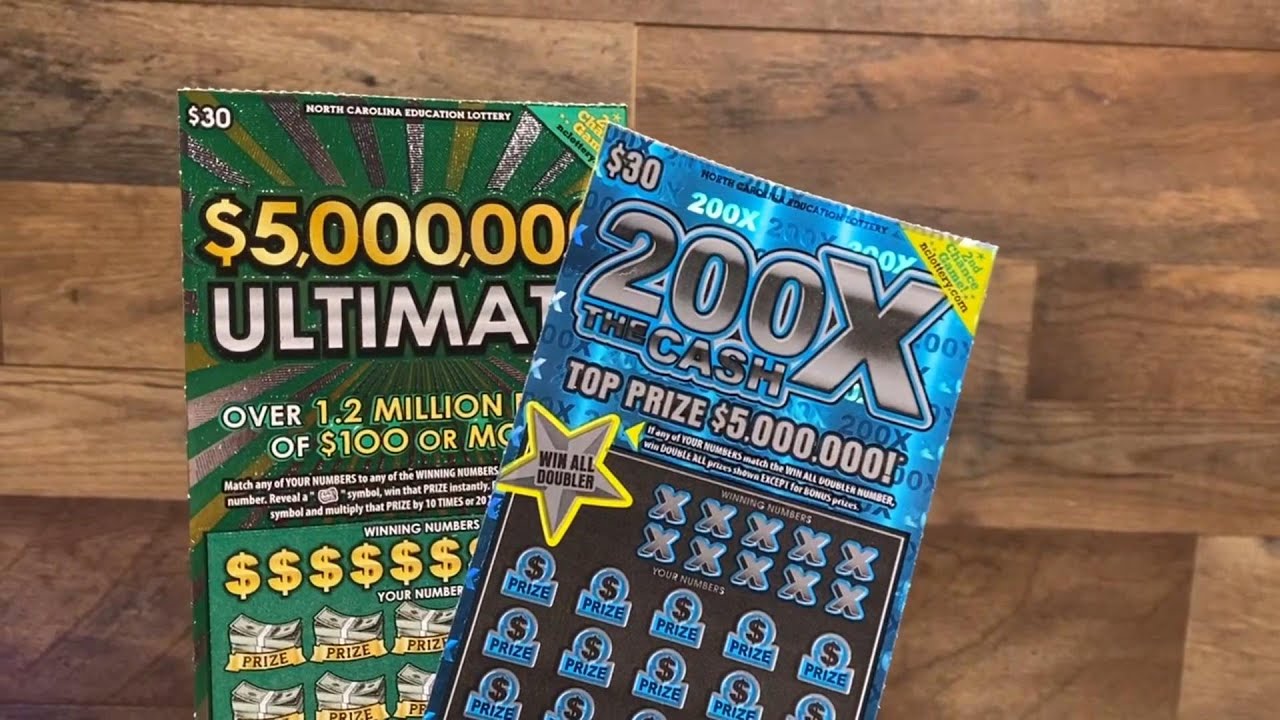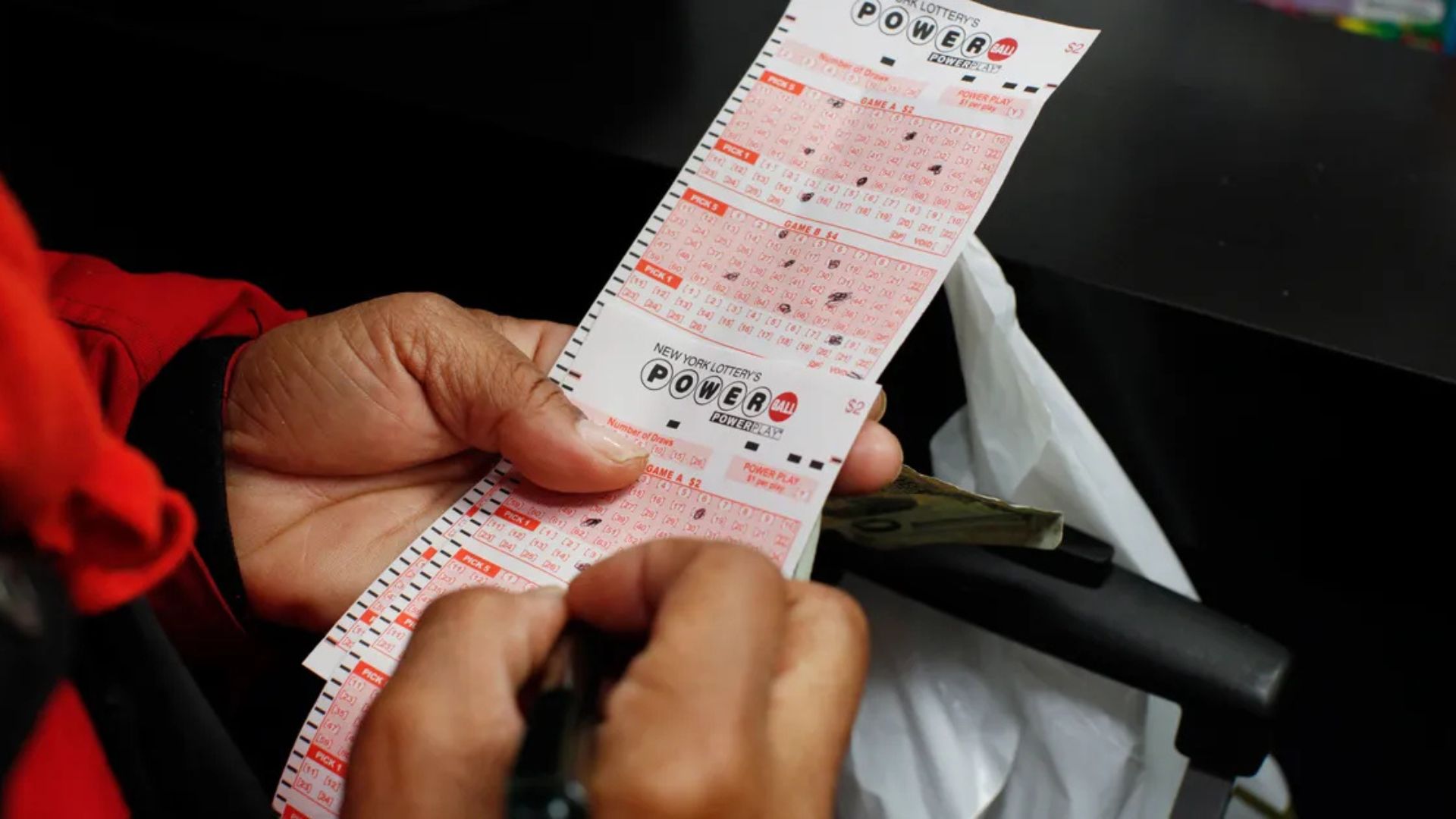




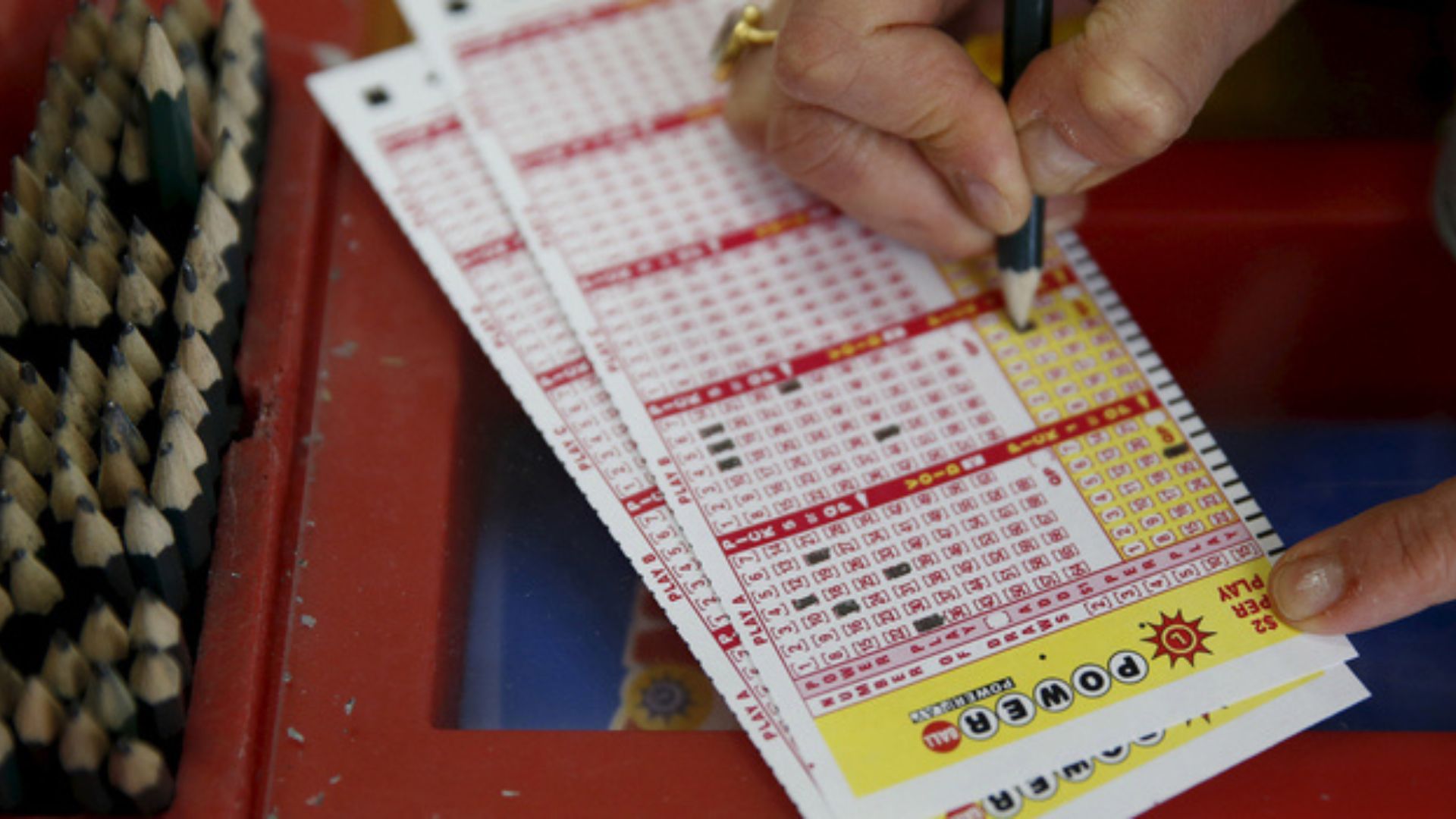
Lottery tickets can be exciting, but without a strategy, it’s easy to overspend or pick games with poor odds. Choosing the right lottery ticket for your budget ensures you’re playing responsibly while still having fun—and possibly increasing your chances of a return. Whether you’re a casual player or a weekly regular, this guide will help you make smarter lottery choices without breaking the bank.
Know Your Budget Before You Buy
Start by setting a fixed monthly or weekly lottery budget. Treat it like any other entertainment expense.
Ask Yourself:
-
How much am I comfortable losing?
-
Will this affect my essential expenses?
-
Am I buying tickets emotionally or intentionally?
💡 Tip: Never spend money meant for rent, food, or bills on lottery tickets.
Understand the Types of Lottery Tickets
Not all lottery tickets are created equal. Each has different price points, odds, and potential winnings.
Common Types:
| Ticket Type | Price Range | Prize Potential | Odds |
|---|---|---|---|
| National Draws (e.g., Powerball) | $2–$5 | Multi-millions | Low |
| Scratch Cards | $1–$30 | Instant cash | Medium |
| Daily Lotteries | $1–$2 | Lower prizes, better odds | Higher |
| Raffles & Limited Draws | Varies | Fixed prizes | Medium–High |
| Online Lotteries | $1–$10 | Global jackpots | Varies |
Match Ticket Cost to Risk Tolerance
Low Budget ($5–$10/week)
-
Play local or regional games with better odds.
-
Buy a single ticket for a big jackpot, or a couple of daily draws.
Moderate Budget ($10–$25/week)
-
Mix one large-jackpot ticket with a few smaller games.
-
Consider trying online lotteries or joining a group play (syndicate).
Higher Budget ($25+/week)
-
Diversify your ticket types.
-
Join lottery syndicates for bulk entry and better odds.
-
Explore premium scratch cards or subscription options.
Consider Joining a Lottery Pool (Syndicate)
Buying in bulk with others helps reduce the cost per person while increasing your odds.
Pros:
-
Share the cost of more tickets.
-
Cover more number combinations.
-
Win as a group.
💡 Budget Benefit: Spend less individually but get more overall entries.
Evaluate Prize Structures & Odds
Always read the prize breakdown before buying a ticket. Some tickets offer multiple small prizes, while others focus on one massive jackpot.
Example:
-
Game A: 1 in 10 chance to win $5
-
Game B: 1 in 200 million to win $100 million
Depending on your goal (fun vs. big win), your choice may differ. If your budget is tight, a game with more frequent small wins might keep you engaged longer.
Use Apps or Tools to Track Spending
Modern lottery apps often allow you to:
-
Set spending limits
-
Get alerts before draws
-
Check tickets automatically
-
View your play history
💡 Pro Tip: Use built-in budgeting tools to avoid impulse buys or repeat spending.
Don’t Chase Losses or Increase Budget Emotionally
It’s tempting to double your ticket purchases after a loss. This is a common mistake.
Stick to your preset budget. Lottery is a game of chance—not skill. Overspending rarely leads to bigger wins, but it often leads to regret.
Final Checklist Before Buying a Ticket
- Is this within my budget?
- Do I understand the odds and prize tiers?
- Am I buying this for fun, not as an investment?
- Am I choosing a ticket that fits my risk level?
Conclusion
Choosing the right lottery ticket for your budget is about balance—you want to have fun without financial stress. By understanding the types of tickets, odds, and how much you can afford to lose, you can enjoy the thrill of playing while maintaining control over your spending.
Remember: You don’t have to spend more to enjoy more. A smart lottery player plays for the fun—not the fantasy.