




Lottery tickets have captivated people for centuries. The excitement of buying a ticket, anticipating the results, and imagining a big win creates a unique thrill. But why do people continue to play despite the low odds? Understanding the psychology and appeal of lottery tickets helps explain their enduring popularity.
The Excitement of Possibility
At the heart of playing the lottery is the excitement of possibility. Each ticket represents a chance to change one’s life. The thought of going from ordinary to wealthy overnight sparks imagination and hope.
This excitement comes from the unpredictability of the outcome. Even though the odds are slim, the mere possibility of winning keeps people engaged. For many, it’s not just about money—it’s about dreaming of a better life.
Instant Gratification and Quick Wins
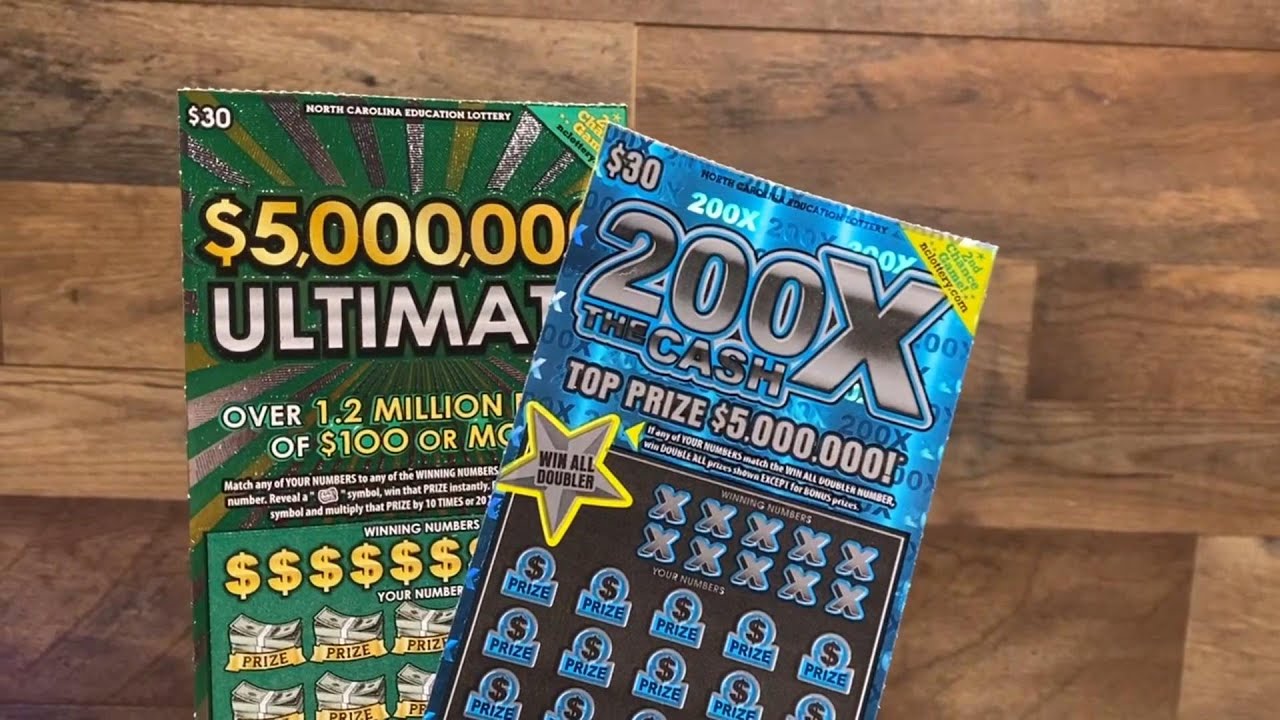
Scratch-off tickets provide instant results, which adds another layer of excitement. Players can see immediately if they’ve won a prize. This instant feedback creates a rush of emotion and keeps the game thrilling.
Even small wins provide satisfaction. They reinforce the idea that luck is real and that success could come at any moment. The combination of immediate reward and suspense makes scratch-offs particularly addictive.
The Anticipation Factor
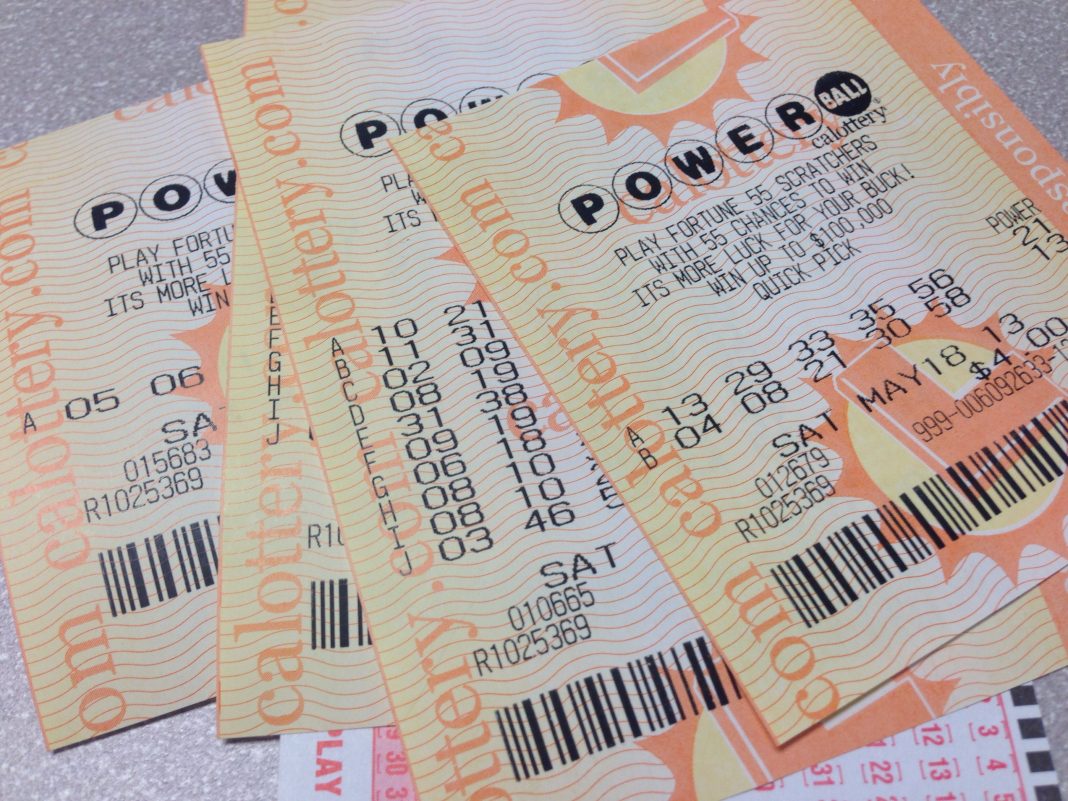
Draw-based lotteries, such as Powerball or Mega Millions, build excitement through anticipation. Waiting for the official draw creates a sense of suspense that many players enjoy.
During this waiting period, people often imagine how they would use the prize money. Daydreaming about travel, luxury purchases, or helping family members makes the experience enjoyable even before knowing the result.
The Social Aspect of Playing
Lottery excitement often spreads socially. Friends, families, and coworkers frequently play together, discuss numbers, or pool money for tickets. This creates a shared experience and strengthens social bonds.
Being part of a group that hopes for a win adds to the thrill. Sharing the excitement, celebrating small wins, or joking about possible jackpots makes the lottery more than just a game—it becomes a social event.
The Illusion of Control
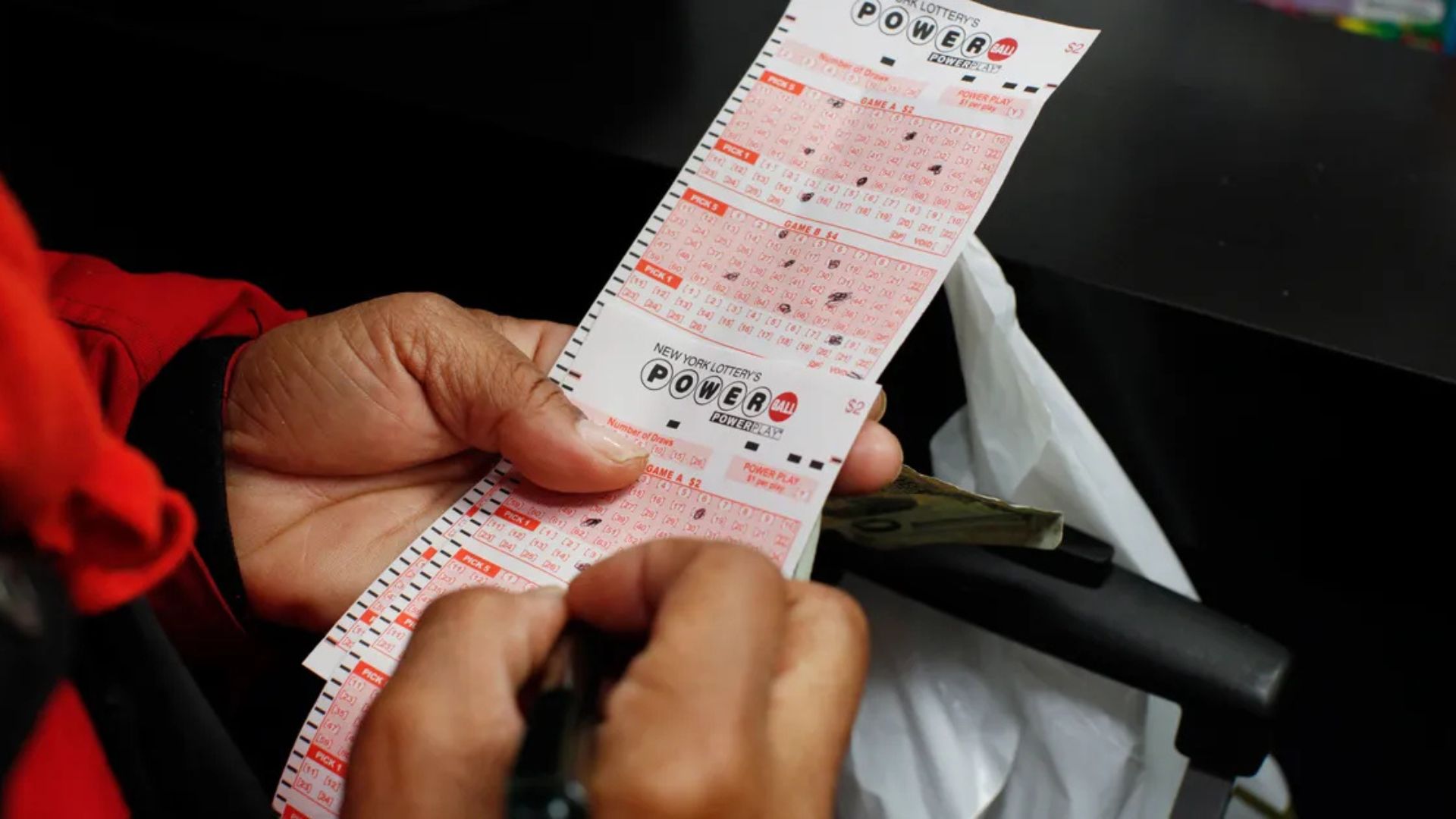
Many players select numbers based on birthdays, anniversaries, or personal “lucky” digits. While winning is ultimately random, choosing numbers gives a sense of control.
Psychologists call this the illusion of control. It enhances enjoyment because players feel involved in the outcome. This perception of influence increases engagement and makes the lottery more compelling.
Escaping Everyday Life
Lottery tickets offer a brief escape from routine life. For a small price, players enter a world of possibility and imagination. The act of buying a ticket and dreaming about a win allows people to forget daily stressors and experience hope.
This escape is part of the thrill. It combines fantasy with anticipation, providing a temporary emotional boost. Even without winning, the experience itself is rewarding.
The Motivation of Near Misses
Near misses—when players almost win—can actually increase excitement. People often feel encouraged to try again, believing success is just around the corner.
This response is tied to the brain’s reward system. Near misses create a heightened sense of possibility, motivating players to keep playing. It’s a powerful factor that sustains long-term engagement with the lottery.

Entertainment Value Beyond Winning
Ultimately, people play the lottery for entertainment. The thrill comes from hope, imagination, social interaction, and anticipation. Winning is exciting, but the emotional journey is equally important.
Understanding this perspective helps players enjoy the lottery responsibly. It’s less about guaranteed wealth and more about the excitement and engagement that comes with the game.
Conclusion
The thrill of lottery tickets lies in a mix of excitement, anticipation, and imagination. From instant scratch-offs to multi-state draw games, each ticket offers the chance to dream big. Social connections, the illusion of control, and the pleasure of near misses add to the experience.
People love lottery tickets because they provide hope, joy, and entertainment in a simple, accessible form. It’s the thrill of possibility that keeps players coming back, proving that the lottery is as much about emotion as it is about money.