



Lotto jackpots are often eye-catching and can reach staggering amounts. But have you ever wondered how these jackpots are calculated? Understanding the process behind the numbers can make playing the lottery more interesting and help players set realistic expectations.
The Basics of Lotto Jackpots
A lotto jackpot is the top prize awarded when a player matches all the winning numbers in a draw. The size of the jackpot depends on several factors, including ticket sales, odds of winning, and whether previous jackpots were claimed.
Most lotteries use a parimutuel system, meaning the prize pool comes from ticket sales and is distributed among winners. Some lotteries, however, have fixed jackpots, which grow until someone wins.
How Ticket Sales Affect the Jackpot
Ticket sales are the primary factor in determining a jackpot. A portion of every ticket sold contributes to the prize pool.
For example, if a lottery allocates 50% of ticket revenue to prizes and sells $10 million worth of tickets, $5 million goes into the prize pool. Part of this amount is reserved for the jackpot, while the rest is distributed to smaller prize tiers.
When ticket sales increase, the jackpot grows faster. This is why huge jackpots often occur when many people play, such as during special promotions or multi-state draws.
Rollovers and Jackpot Growth
Many lotteries have rollover mechanisms. If no one wins the jackpot in a draw, the prize amount rolls over to the next draw. This rollover can continue, causing jackpots to grow to enormous sums.
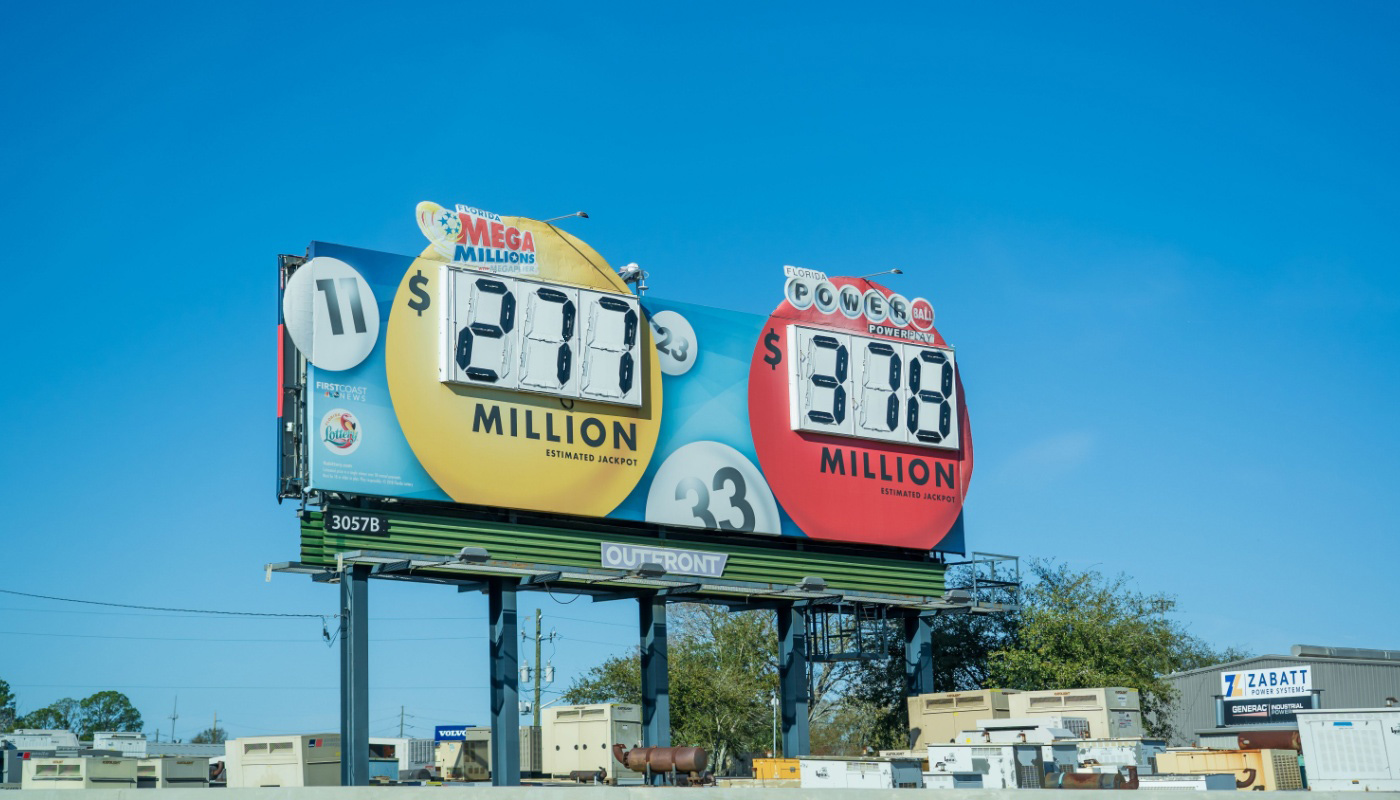
Rollovers are what create the excitement for massive jackpots like Powerball or Mega Millions. The suspense of watching a jackpot climb draw after draw attracts more players and fuels further growth.
Odds and Prize Allocation
Jackpot size also depends on the odds of winning. The harder it is to win, the higher the jackpot tends to be. Lotteries balance the odds so that jackpots grow but remain attainable in theory.
Lotteries also allocate smaller portions of the prize pool to secondary prizes. This ensures that even if no one wins the jackpot, players can still claim rewards for partial matches. The ratio of jackpot to smaller prizes varies by lottery and affects the overall jackpot calculation.
Annuity vs. Lump Sum
When a jackpot is won, it’s usually paid as an annuity or lump sum.
-
Annuity: The winner receives annual payments over a period, often 20–30 years. The advertised jackpot is usually based on the total of these payments.
-
Lump Sum: If the winner chooses a one-time cash option, the amount is less than the advertised jackpot because it represents the present value of future payments.
Understanding the difference helps players know the real value of a jackpot and plan accordingly.
Taxes and Deductions
Jackpots are also affected by taxes. In many countries, lottery winnings are subject to federal and state or local taxes.
The advertised jackpot usually reflects the pre-tax amount. The actual cash a winner receives is often significantly lower after deductions, which is important to consider when dreaming about life-changing prizes.
Special Factors in Jackpot Calculation
Some lotteries include additional features that influence jackpot growth, such as:
-
Multiplier games: Certain lotteries allow players to increase non-jackpot prizes, affecting the total allocation for the jackpot.
-
Guaranteed jackpots: Some games promise a minimum starting jackpot for each draw, even if ticket sales are low.
-
Promotional events: Special draws or holidays can temporarily boost ticket sales, indirectly increasing the jackpot.
These mechanisms make jackpot calculation dynamic and responsive to player behavior.
Conclusion
Lotto jackpots are more than just random numbers; they are carefully calculated based on ticket sales, odds, rollover rules, and prize allocation. Understanding how jackpots grow helps players set realistic expectations and appreciate the mechanics behind every draw.
Whether you aim for small wins or dream of a multi-million-dollar prize, knowing how jackpots are calculated adds an extra layer of interest and strategy to playing the lottery.