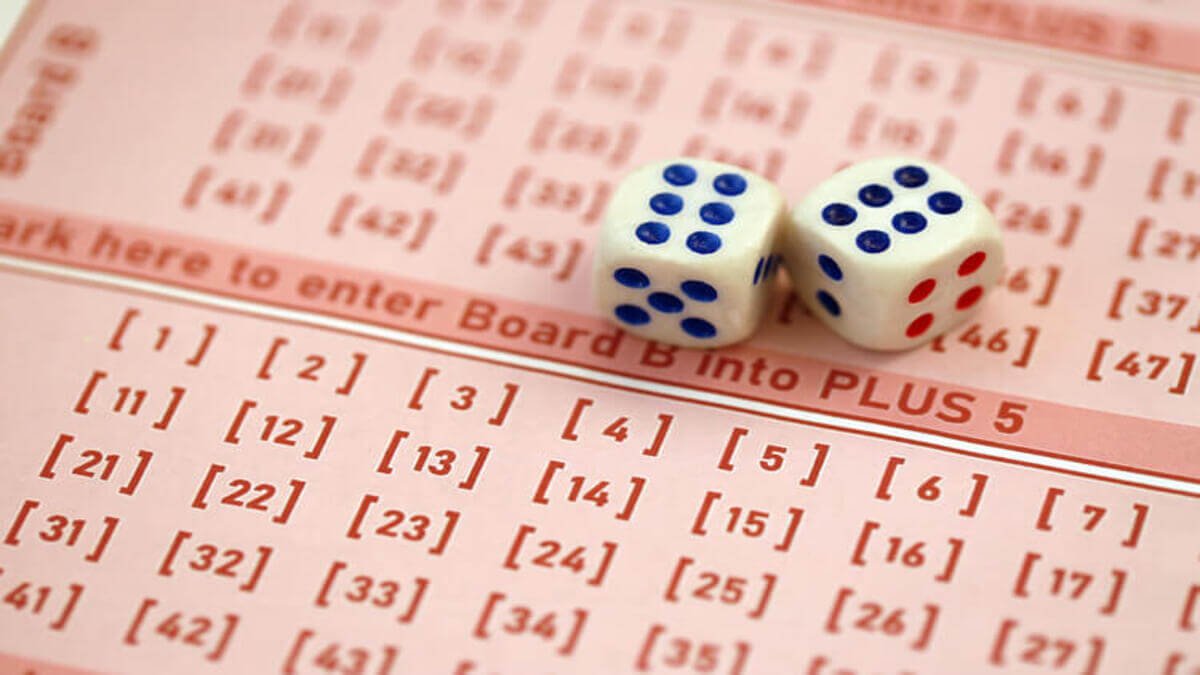





Playing the lottery can be exciting and fun, but it comes with risks if not approached carefully. Millions of people enjoy buying lotto tickets each week, but overspending or relying on luck for financial security can lead to problems. Understanding how to play responsibly ensures a positive experience and helps maintain control over your finances.
Set a Budget
The first step in responsible lottery play is setting a budget. Decide how much money you can comfortably spend on tickets without affecting essential expenses such as bills, rent, or groceries.
Treat lotto tickets as entertainment rather than an investment. By setting a strict budget, you avoid the temptation to overspend and ensure that playing remains fun and stress-free.
Understand the Odds
Every lottery game has odds, and they are usually very low for winning big jackpots. For example, national games like Powerball or Mega Millions have odds of hundreds of millions to one.
Knowing the odds helps you keep realistic expectations. Instead of focusing solely on winning, enjoy the excitement of playing and the possibility of small prizes along the way.
Avoid Chasing Losses
One common pitfall is trying to win back money lost in previous games. Chasing losses can quickly escalate into overspending and financial strain.
Accept that losing is part of playing the lottery. Treat each ticket as a separate chance to enjoy the game rather than a way to recover past losses.
Play Occasionally
Frequency matters. Playing the lottery daily can be costly and may lead to compulsive behavior. Consider playing only during special draws, large jackpots, or when it fits within your entertainment budget.
Playing occasionally ensures you experience the thrill without overcommitting money or time.
Keep Track of Spending
Maintaining a record of how much you spend on tickets helps you stay within limits. You can use a simple notebook, a spreadsheet, or an app to track purchases and winnings.
Monitoring spending provides insight into your playing habits and prevents accidental overspending. It also helps evaluate whether the lottery remains a fun activity or is becoming a financial burden.
Avoid Relying on the Lottery for Income
Lotto tickets should never be a substitute for steady income or financial planning. Winning is extremely rare, and relying on it for essential expenses is risky.
Instead, treat the lottery as a recreational activity. Focus on responsible budgeting, saving, and investing for long-term financial stability rather than hoping for a jackpot to solve money problems.
Understand the Psychology of Lottery Play
Many people enjoy lotteries because of the excitement, anticipation, and dreams of winning. Understanding this psychological appeal helps maintain a healthy approach.
Be aware of the illusion of control, where players believe certain numbers or patterns increase their chances. Remember, lottery draws are random, and luck cannot be predicted.
Set Limits for Groups and Syndicates
If playing in a lottery pool or syndicate, establish clear limits and rules. Agree on how much each member contributes, how winnings are shared, and how often tickets are purchased.
This prevents misunderstandings and ensures that group play remains enjoyable rather than stressful.

Know When to Seek Help
If you notice signs of compulsive gambling, such as spending beyond your budget, feeling anxious about losses, or prioritizing tickets over responsibilities, seek professional help.
Many organizations offer support for gambling issues, providing resources and guidance to regain control and play responsibly.
Conclusion
Playing the lottery can be a thrilling experience when approached responsibly. Setting a budget, understanding the odds, avoiding loss-chasing, and monitoring spending ensures that lotto play remains fun and safe.
Remember, the lottery is about entertainment, dreams, and excitement—not guaranteed wealth. By following these tips, you can enjoy the thrill of the game while maintaining financial stability and peace of mind.